01 / TECH PACK
Share your tech pack
Send the drawings, measurements and material notes you already have. We can review what is clear and what still needs to be agreed before sampling.
 Start a project
CUSTOMIZATION
Use a reference, existing style or technical brief as the starting point for a garment developed around your fabric, fit, detail and brand direction.
REFERENCE INTO SAMPLE
Customisation starts with what must stay recognisable and what can change. Moving from a photo, sketch or existing garment to a production sample requires decisions about proportion, fabrication, construction and branding before a reliable quotation can be prepared.
THREE WAYS TO START
01 / TECH PACK
Send the drawings, measurements and material notes you already have. We can review what is clear and what still needs to be agreed before sampling.
02 / REFERENCE IMAGE
Share photos, screenshots or product images that show the shape, colour, fabric feel or details you have in mind. We can discuss which elements define the design.
03 / ADAPT A STYLE
Choose a style from the collection and discuss changes to colour, fabric, fit, length or finishing for your own label.
OTO / CUSTOMISATION PATH
A custom style passes five gates between your first reference and the finished garment. Each gate has an input, a decision and a written approval; the number beside it shows where that work happens on our own floor.
| Gate | You bring | We run | You approve | On the line |
|---|---|---|---|---|
| 01 Brief | You bringReference images, a tech pack or a style from the collection, plus fabric ideas if you already have them. | We runRead what you send, name what is missing and set the scope that can actually be developed. | You approveThe direction and the scope, before any pattern work starts. | On the line 02 |
| 02 Pattern | You bringFit notes: target measurements, the size range you sell and any construction references. | We runDraft the pattern in CAD, check the measurements and plot the marker full size to the fabric width. | You approveThe measurement chart, which becomes the reference for every later check. | On the line 03-04 |
| 03 Sample | You bringComments against the sample: fit, fabric handfeel, trims and finishing. | We runRevise the pattern and the sample, and record each change against your comment. | You approveThe pre-production sample, in writing. Bulk production starts only after it. | On the line — |
| 04 Bulk | You bringFinal quantity per colour and size, against the approved fabric and sample. | We runSpread and cut the layers, sew the run and assemble each garment to the approved sample. | You approveAny change. A change at this gate sends the style back for approval. | On the line 05-13 |
| 05 Finish | You bringLabel, hangtag and packing instructions as controlled documents. | We runMeasure, inspect, press, trim and sort the finished garments before handover. | You approveThe inspection standard and the packing list. | On the line 14-17 |
DEVELOPMENT DECISIONS
01 / REFERENCE
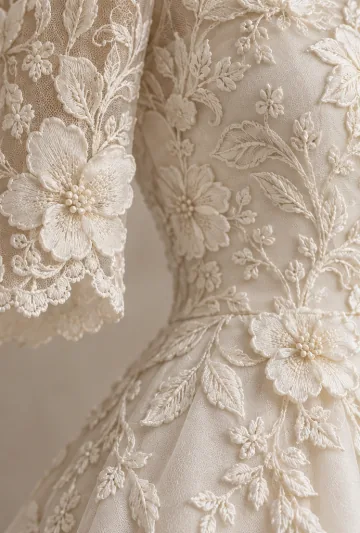
Mark the features that define the idea, such as neckline proportions, volume, seam placement or decoration scale. References used for mood can remain directional; construction references need enough detail to interpret.
02 / PATTERN
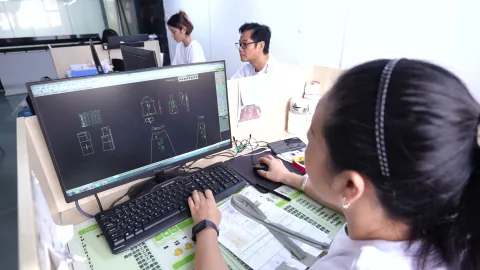
A pattern translates the chosen shape into measurements and balance. The sample may need revision when fabric weight, stretch or finishing changes how the garment falls or feels.
03 / MATERIALS
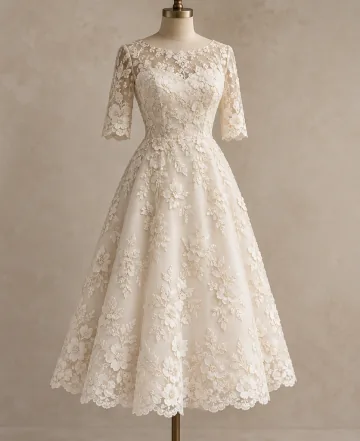
Main fabric, lining, stabilisers, threads, closures and decoration need to work as one assembly. A surface that looks right on a sheet may behave differently when gathered, cut or sewn.
04 / DETAIL
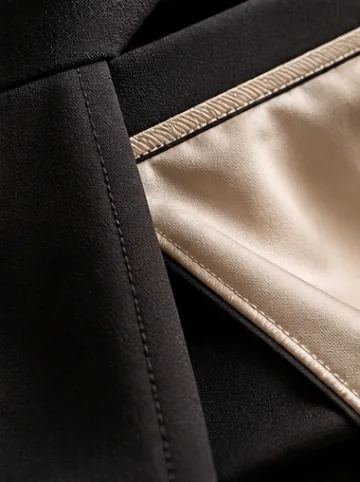
Binding, topstitching, hem depth, closure placement and internal finishing form part of the design. Approving the outside alone leaves too much room for different production interpretations.
OTO / ON THE FLOOR
Filmed at our own workshop in Humen, Dongguan. Cutting, sewing and finishing sit under one roof, which is why a change discussed at a gate can be checked on the line the same week.
19 STATIONS FILMED 16 in production, 3 around it
03
Development
The silhouette becomes a numbered pattern with measurements before any fabric is cut.
Select a station
Front of house01
Development02-04
Cutting05-06
Sewing07-13
Finishing14-17
After the line18-19
Not shown here: fabric inspection, button attaching, zippers, labels and packing. Each is confirmed per project against your specification.
Discuss your constructionYOUR LABEL, DEFINED
Colour, sizing, fabric and existing-style adaptations can be discussed against the brief. Labels, hangtags, packing and artwork should be supplied as controlled production instructions rather than added as verbal preferences.
Labels, hangtags and packaging are confirmed per project against approved artwork and garment details; availability is subject to those confirmations.
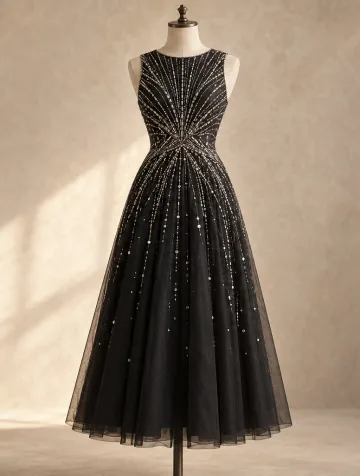
SAMPLE & APPROVAL
Sampling scope, sample fees, revisions and timing are quoted per project after the brief and technical requirements are reviewed.
Bulk production starts only after the agreed specification and any required pre-production sample are approved in writing.
PROJECT BASIS
Minimum order
MOQ50 is subject to fabric, style and colour confirmation.
Timing
Production timing is quoted for each project after fabric, quantity, approvals and other requirements are confirmed. No day count is guaranteed in advance.
YOUR NEXT COLLECTION
A reference, a selected style or an early idea. Share where you would like to start.
Start a project