
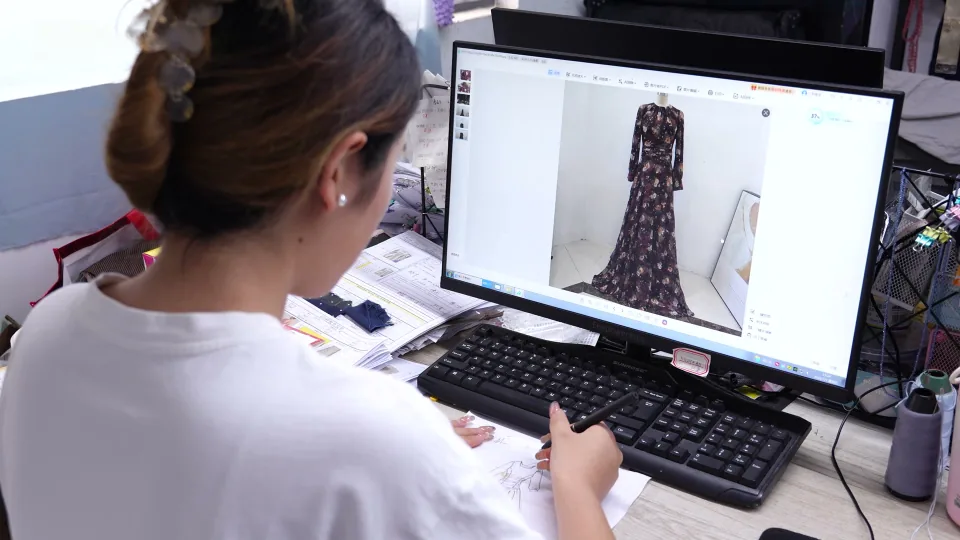
Start with the commercial brief
A useful tech pack begins before the first flat sketch. Record the garment's purpose, target customer, selling season, retail or wholesale position, target launch window and expected order structure. These details help the supplier identify which technical choices affect feasibility and cost.
Separate confirmed requirements from open questions. If the fabric has not been chosen, say which qualities matter: drape, coverage, stretch, warmth, sheerness, care expectations or surface texture. If the fit is still being explored, show references and explain what should remain fixed. A short list of priorities is more useful than a folder of ambiguous inspiration.
- Name the product category, end use and intended season.
- State the target quantity by colour before asking for final pricing.
- Show front, back and relevant side or inside views.
- Mark which references are directional and which are exact.
- List any launch date that affects sample or material decisions.
Translate the design into garment data
Each component should be identifiable. Describe the main fabric, lining, interlining, closures, elastic, trims and any placed print or embroidery. Call out grain direction, nap, pattern matching and the intended finish where they affect the look or consumption. For decorative work, include artwork files, placement, scale and a reference for the expected density or hand feel.
Use a measurement table that defines how each point is measured and which grade rule creates the size run. Include tolerance expectations and identify critical dimensions such as neckline, armhole, waist, hip, length and sleeve opening. Sketches alone rarely settle fit; measurement points give sampling and production teams a shared language.
- List every visible and internal component by garment area.
- Attach artwork at a usable resolution with dimensions and placement.
- Define measurement points consistently across all sizes.
- Identify pattern matching, grain or directional-fabric requirements.
- Include care, labelling and packing instructions already decided.
Make review and approval auditable
Give the document a clear version and date, and keep a decision log beside it. When a sample returns, reference the exact issue, measurement or component being changed. A comment such as 'make the sleeve better' is difficult to cost or verify; a marked photo and a revised measurement are actionable.
The approved pack should reflect the final decisions, including substitutions, tolerances and comments that matter for bulk production. Keep superseded pages out of the production handoff or label them clearly so the factory is not working from two versions of the same requirement.
- Add a version number, date and responsible contact.
- Record every sample comment against a sketch or measurement point.
- Confirm whether a change affects cost, minimum order or timing.
- Issue the approved specification as one controlled document set.
- Retain the approved sample reference for bulk production checks.