
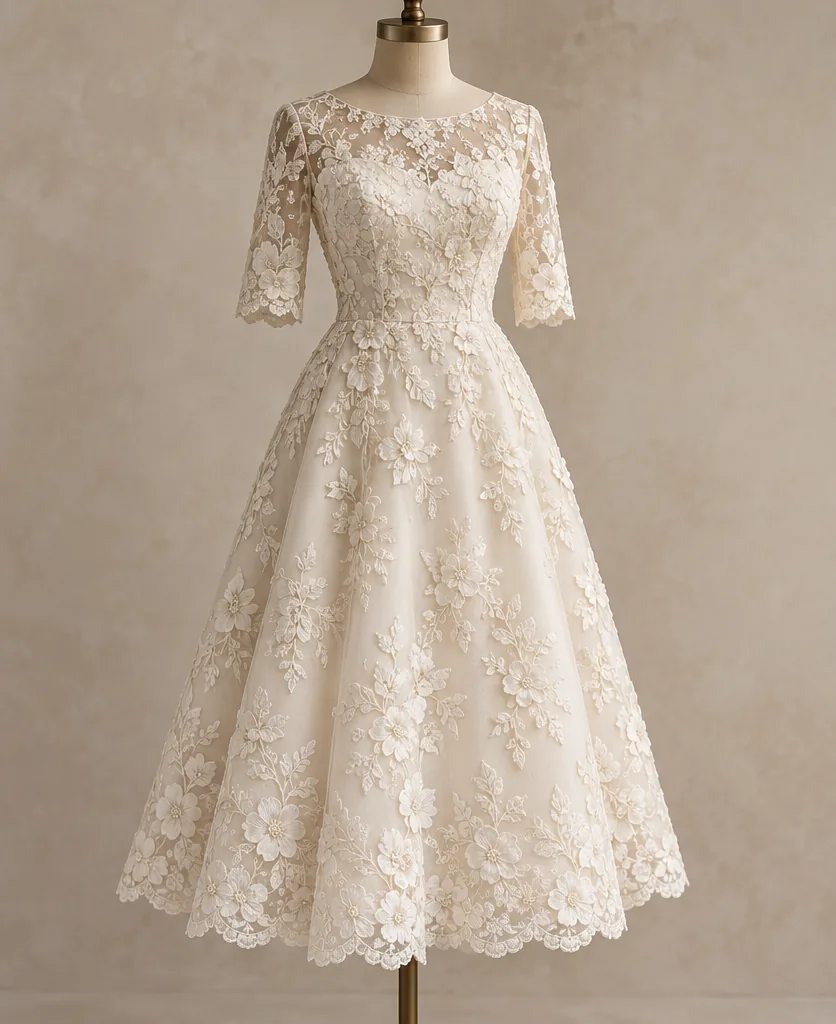
Define what the sample must prove
A development sample may be testing silhouette, pattern balance, material behaviour or a construction technique. State its purpose before it is made. If the sample is intended as a final pre-production reference, the requirements are stricter than an early concept sample because bulk production will be based on it.
Confirm which fabric and trims are represented. A sample made in a substitute material can still be useful, but it cannot prove drape, stretch recovery, shrinkage, seam behaviour or colour accuracy in the intended fabric. Record substitutions so nobody treats the sample as an exact bulk benchmark by mistake.
- Write the decision the sample is meant to support.
- Record the fabric, colour and trim versions used.
- Confirm the size and fit model or dress form used for review.
- List the construction details that must be visible.
- Agree who has authority to approve the sample.
Review in a repeatable order
Begin with the whole garment on body or form before zooming into details. Check proportion, balance, comfort and the intended relationship between neckline, shoulder, waist, hip and length. Then measure the sample against the agreed table and distinguish a design change from a measurement error.
Inspect construction next. Open the garment if appropriate and inspect seam allowance, seam finish, lining attachment, stabilisation, closures, hems, pressing and loose threads. Photograph issues at the same scale where possible and mark their location on a flat or technical sketch. Surface appearance and internal finish should both support the agreed price and use.
- Review silhouette and balance before small details.
- Measure every critical point with the approved method.
- Check inside construction, not only the outside appearance.
- Photograph the exact issue and mark its garment location.
- Separate aesthetic feedback from production defects.
Close the approval loop
Summarise accepted points, required changes and open questions in one response. Ask the supplier how each change affects pattern, materials, sample cost and production timing before approving the next stage. Verbal direction can be useful for discussion, but the production decision should be traceable.
After any revision, check that the change did not disturb fit or another component. Approval should identify the exact sample, specification and date it applies to. This prevents a later bulk reference from being confused with an earlier version.
- Consolidate feedback into one dated, versioned response.
- Confirm cost and timing effects before requesting revisions.
- Review the full garment after each substantive pattern change.
- Approve the specific sample and specification that will govern production.
- Keep rejected and superseded comments out of the live production handoff.